
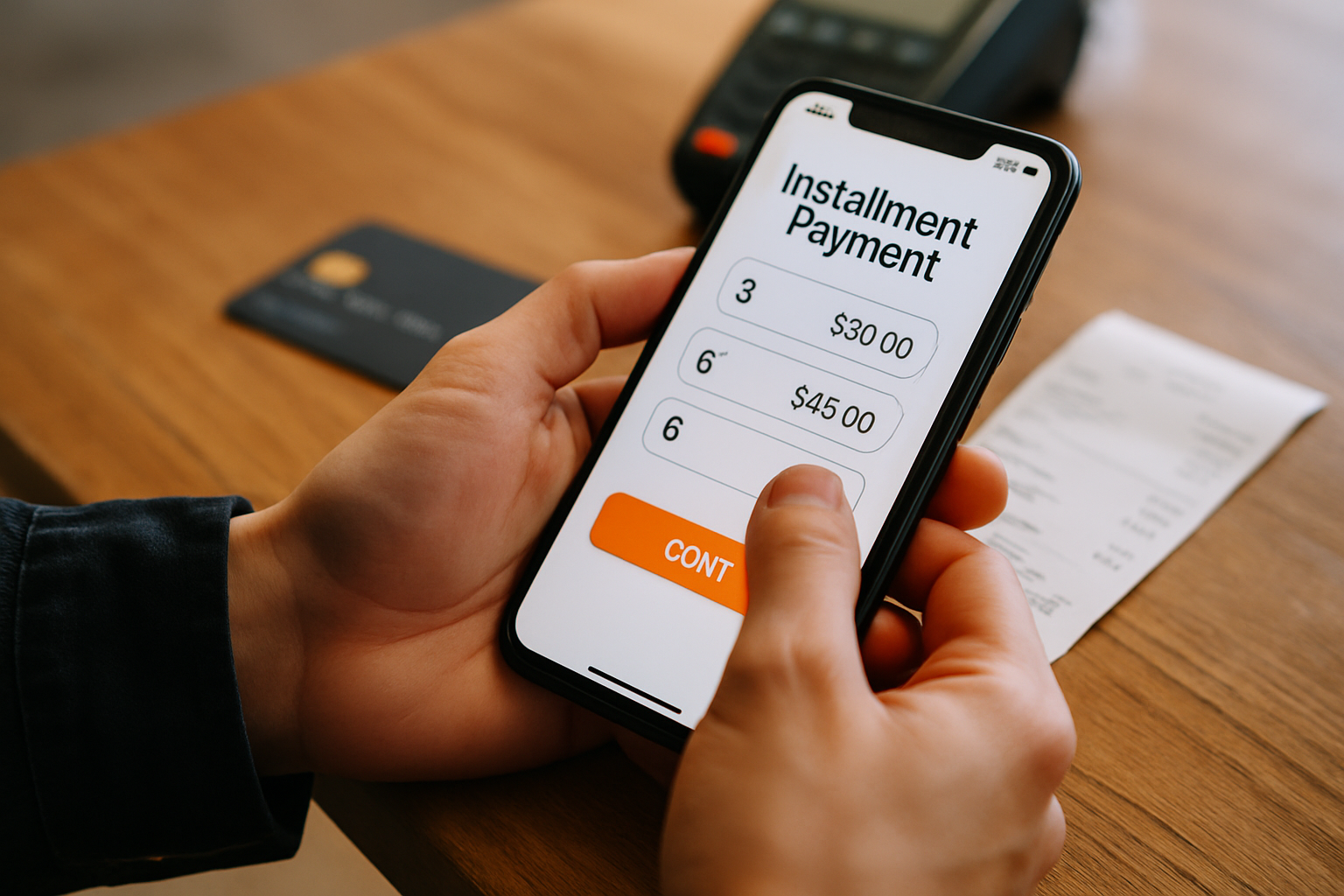
For years, a four-part payment plan at checkout lived in a kind of financial blind spot. It wasn’t a credit card, wasn’t a personal loan, and in most cases, it never touched a credit report. That is changing, unevenly and without much fanfare, as the major credit scoring companies move to fold buy now, pay later activity into the numbers that determine who gets approved for a mortgage, an auto loan, or a new credit card.
FICO, whose scores still underpin the vast majority of U.S. lending decisions, has introduced new scoring models built to account for buy now, pay later loans. VantageScore, the main rival scoring system, has already begun incorporating this data where it’s available. Neither change happened overnight, and neither is universal yet — but the direction is clear enough that consumer advocates, lenders, and the buy now, pay later companies themselves have all started adjusting their messaging.
A Loan That Didn’t Look Like One
Buy now, pay later products split a purchase into a handful of installments, often four, often interest-free if paid on schedule. The pitch was speed and simplicity: no hard credit check, no long application, approval in seconds at the point of sale. That simplicity is part of why the sector grew so quickly. It’s also why it slipped past the traditional infrastructure of credit reporting for so long.
Traditional lenders report monthly to the three major credit bureaus — Equifax, Experian, and TransUnion — as a matter of routine. Buy now, pay later providers largely did not, partly because the loans are short-term and don’t map neatly onto reporting formats built for revolving credit cards and multi-year installment loans. A four-payment plan completed in six weeks doesn’t look like a mortgage or a credit card balance, and the bureaus’ systems weren’t originally built to log it.
That gap had a side effect that regulators eventually flagged: a consumer could take out several buy now, pay later loans across different apps in the same week, and none of those obligations would appear on a credit file. Lenders evaluating that person for a car loan or an apartment lease would have no way of knowing the debt existed, because it simply wasn’t there.
Why the Shift Is Happening Now
The Consumer Financial Protection Bureau has spent the past few years scrutinizing the sector, pushing for buy now, pay later providers to be treated more like other consumer lenders when it comes to disclosures and dispute rights. Separately, Equifax and other credit bureaus have built out reporting categories specifically for these installment products, giving lenders a technical path to start sending the data in.
The scoring companies followed. FICO’s newer models are designed to treat on-time buy now, pay later payments as a potential credit-building tool rather than ignoring them, while also capturing missed payments that previously vanished once a plan was marked delinquent internally by the lender. VantageScore has taken a similar approach, arguing that leaving the data out entirely does a disservice to borrowers who use these plans responsibly and have little other credit history to draw on.
That argument lands differently depending on who’s listening. For a borrower with a thin credit file — someone young, newly arrived in the country, or simply someone who has avoided credit cards — a handful of on-time buy now, pay later payments reported to a bureau could, in theory, nudge a score upward. For a borrower juggling several plans at once, often called loan stacking, the same reporting could expose a debt load that hadn’t previously registered anywhere.
What It Means for Borrowers
The practical effect for most people right now is limited, mainly because reporting isn’t yet consistent across the industry. Some buy now, pay later companies report to one bureau, some to more than one, some not at all. A consumer could have the exact same repayment history across two different apps and see only one of them reflected in a credit file, if either.
That inconsistency makes blanket advice tricky. Financial counselors generally suggest treating a buy now, pay later plan the same way they’d treat any other debt obligation: pay on time, don’t take on more plans than can be tracked, and assume that a missed payment could eventually surface somewhere, even if it isn’t visible today. The safer assumption, counselors say, is that these plans are becoming conventional debt in the eyes of lenders, whether or not the reporting has fully caught up.
For people actively managing a mortgage application or planning a major purchase in the near future, the advice gets more specific: ask the lender directly whether buy now, pay later balances are being pulled into the underwriting decision, since that practice varies by lender and by loan type. A plan that’s fully paid off might not matter either way. An open balance at the moment of application could.
An Industry Adjusting in Public
The larger buy now, pay later providers have mostly welcomed the shift publicly, framing it as validation that their product belongs in the mainstream credit system rather than on its margins. That framing also serves their interests — being treated like a legitimate credit product helps the sector fend off calls for heavier-handed regulation, and it opens the door to new partnerships with banks and traditional lenders who had been wary of a product with no reporting trail.
Consumer advocates are more divided. Some see credit reporting as overdue accountability for a product that grew by avoiding the guardrails built for other forms of lending. Others warn that pulling thin-file borrowers into traditional scoring models, even with good intentions, could penalize exactly the people the plans were marketed to in the first place — shoppers who turned to installment payments because they didn’t qualify for, or didn’t want, a credit card.
Much of this is still playing out state by state and bureau by bureau, not unlike other regulatory deadlines reshaping everyday infrastructure behind the scenes — a separate rollout forcing cities to test what’s actually running through their water pipes offers one example of how a single compliance deadline can quietly change what gets measured and disclosed. The common thread: systems built without a particular kind of data are now being asked, often under outside pressure, to start collecting it — and the people affected are only beginning to find out what that means for them.
For now, the safest approach for anyone using these plans is simple vigilance: check credit reports periodically, note which buy now, pay later accounts appear and which don’t, and treat every plan as a real debt rather than a convenient workaround, because for scoring purposes, it increasingly is.