The emails arrive the same way in condo buildings across the country: a notice from the board, a new line item on the monthly statement, a number that didn’t used to be there. In many cases it is labeled, plainly, as a reserve contribution — and in a growing number of states, it is no longer optional.
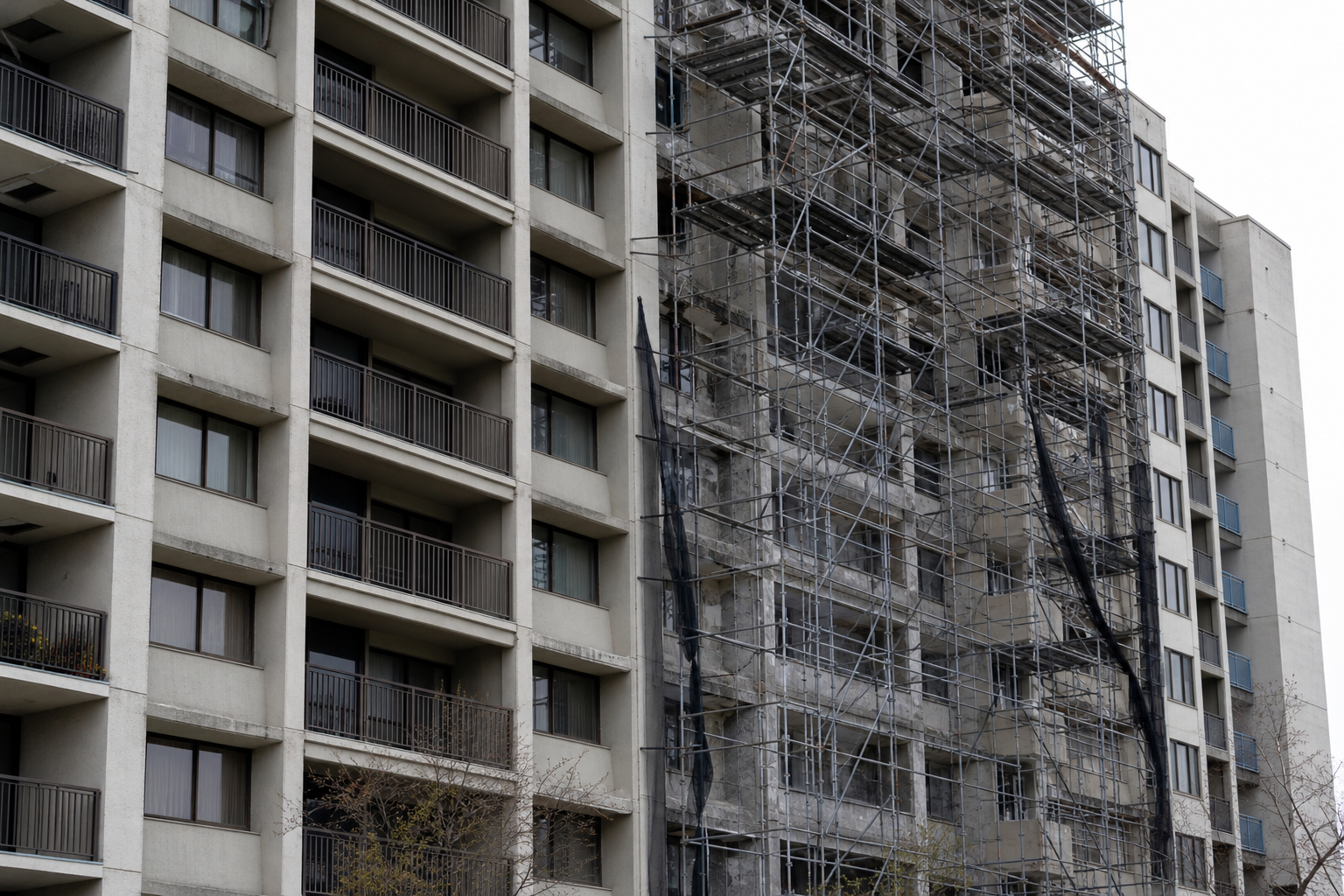
The shift traces back to a single catastrophic event: the 2021 collapse of the Champlain Towers South condominium in Surfside, Florida, which killed 98 people and exposed how little many associations had saved for major structural repairs. In the years since, state legislatures have moved, with uneven speed, to require condo and homeowners associations to conduct regular structural inspections and to fund reserve accounts that actually reflect what repairs will cost. The result is a quiet but significant transfer of financial pressure onto unit owners, many of whom bought into buildings assuming fees would stay roughly flat for years at a time.
What Changed, and Where
Florida moved first and hardest, passing legislation that requires buildings three stories or taller to undergo milestone structural inspections at set age intervals and to maintain reserves funded according to those findings, with associations no longer allowed to waive or underfund reserves for major components like roofs, load-bearing walls, and plumbing. Other states with large concentrations of aging multifamily housing — including California, Illinois, Colorado, and Virginia — have passed or are considering versions of the same idea: mandatory reserve studies, inspection deadlines, and limits on how long a board can defer funding.
The details vary. Some laws apply only to buildings above a certain height or age; others cover any association regardless of size. Some require a licensed engineer to sign off on structural findings; others allow broader discretion. But the throughline is consistent: boards that once could vote, year after year, to keep reserve contributions low are losing that option, and the bill for decades of deferred maintenance is coming due on a schedule set by statute rather than by a board’s comfort level.
The Math Owners Are Facing
For residents, the practical effect shows up as a jump in monthly assessments, sometimes accompanied by a special assessment — a one-time, often large charge levied to cover an immediate repair the reserve fund was never built up enough to absorb. Real estate agents in several markets with older condo stock describe buyers now asking for reserve study documents before making an offer, treating them the way homebuyers might treat an inspection report on a single-family house. Some lenders have followed suit: mortgage investors have tightened requirements for loans on condo units in buildings flagged as financially unstable or structurally deficient, which can make units in older buildings harder to sell even when the price looks attractive.
The squeeze tends to fall hardest on owners who bought units specifically because they were affordable relative to single-family homes — often retirees on fixed incomes or first-time buyers who stretched to get into a market. A unit that carried a few hundred dollars a month in association fees a decade ago can, after a mandated reserve catch-up, see that number double or more within a few years. Boards generally have limited tools to phase in the increase gently once a state-mandated reserve schedule is in place, because the whole point of the new rules is to prevent associations from spreading the real cost out indefinitely.
Boards Caught in the Middle
Condo and HOA boards, typically staffed by volunteer residents with no particular background in structural engineering or municipal finance, are often the ones absorbing resident anger over fee increases they did not originate and generally cannot avoid. Property management firms report fielding more calls from board members asking how to communicate a special assessment to residents who may not have the cash on hand, and some associations have begun offering payment plans or working with lenders who specialize in assessment financing — essentially a loan taken out against a resident’s future dues.
There is also a compliance gap that housing attorneys describe as uneven enforcement. In states with new inspection and reserve mandates, not every association has completed the required studies on time, and penalties for noncompliance vary widely — from modest fines to, in some cases, personal liability exposure for board members who knowingly ignore the requirement. Associations in smaller or more rural markets, with fewer resources and less access to engineering firms, appear more likely to fall behind simply because of availability and cost, not willful neglect.
What Owners and Buyers Can Actually Check
For anyone already living in a condo or HOA-governed property, the most useful document to request is the association’s most recent reserve study, which should itemize major building components, their estimated remaining useful life, and the funding level needed to replace them on schedule. A study showing reserves funded well below the recommended level is a signal — not necessarily of imminent danger, but of a future assessment that has not yet been announced.
For prospective buyers, real estate attorneys generally recommend asking for the reserve study, the last two years of board meeting minutes, and any record of pending litigation or insurance disputes before closing. Minutes often surface deferred maintenance discussions months or years before a special assessment is formally voted on. Insurance costs are a related flashpoint: buildings flagged for structural concerns have in some markets seen insurers decline to renew coverage altogether, forcing associations onto more expensive surplus-lines policies, which then flows back into monthly fees.
None of this is unique to any one state or building type, and the pace of legislative change means the rules a buyer researches today may be tightened again within a year or two. What is consistent across markets is the underlying message from regulators: reserve funding that was once a board’s internal judgment call is increasingly becoming a legal requirement, and the gap between what a building has saved and what it needs is no longer something an association can quietly carry forward.